
Dental Patient Communication Built for Every Touchpoint
A cloud-based platform with all the tools your front office needs to drive patient engagement before and after visits.
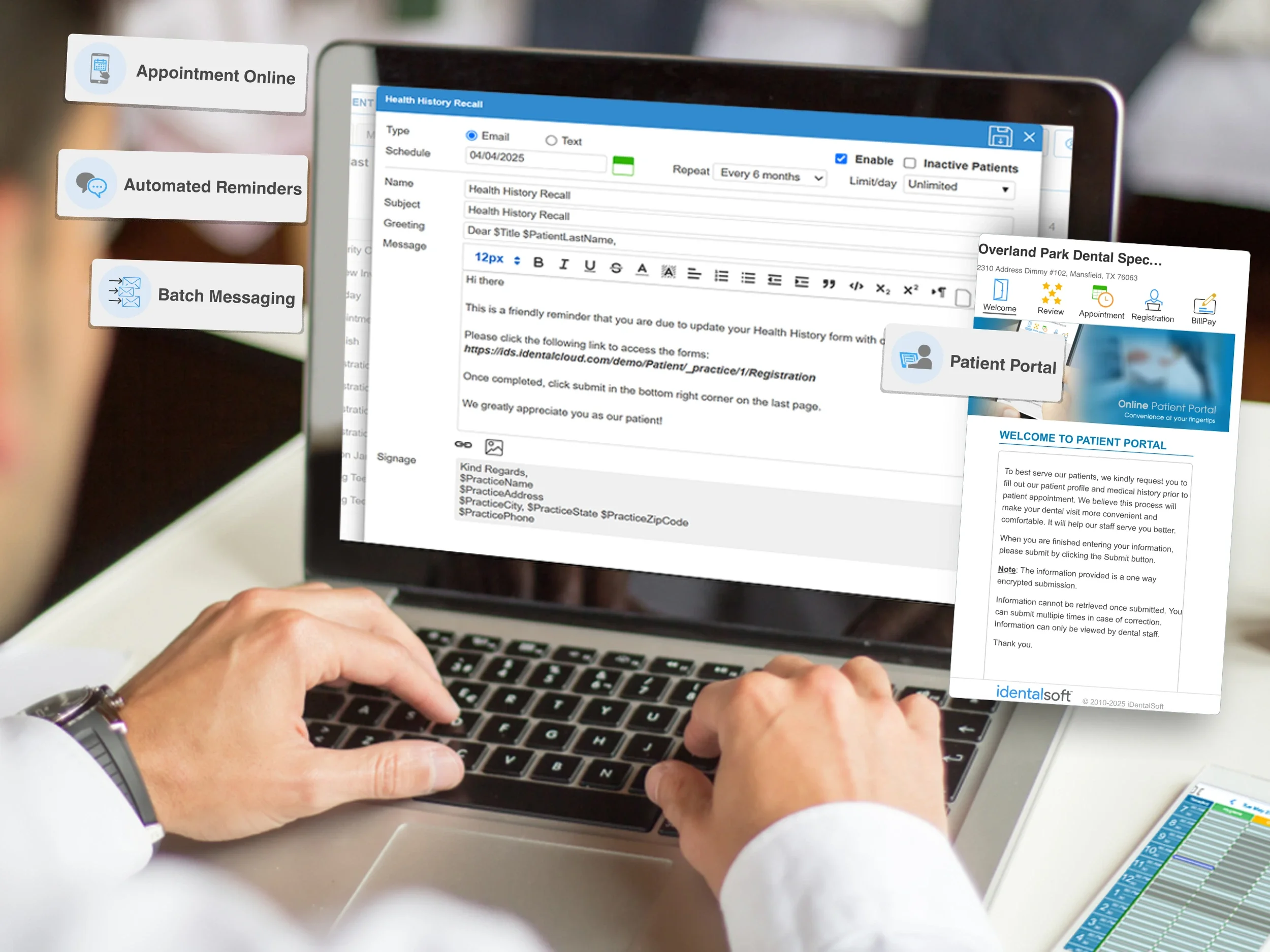
Key Dental Patient Communication Features
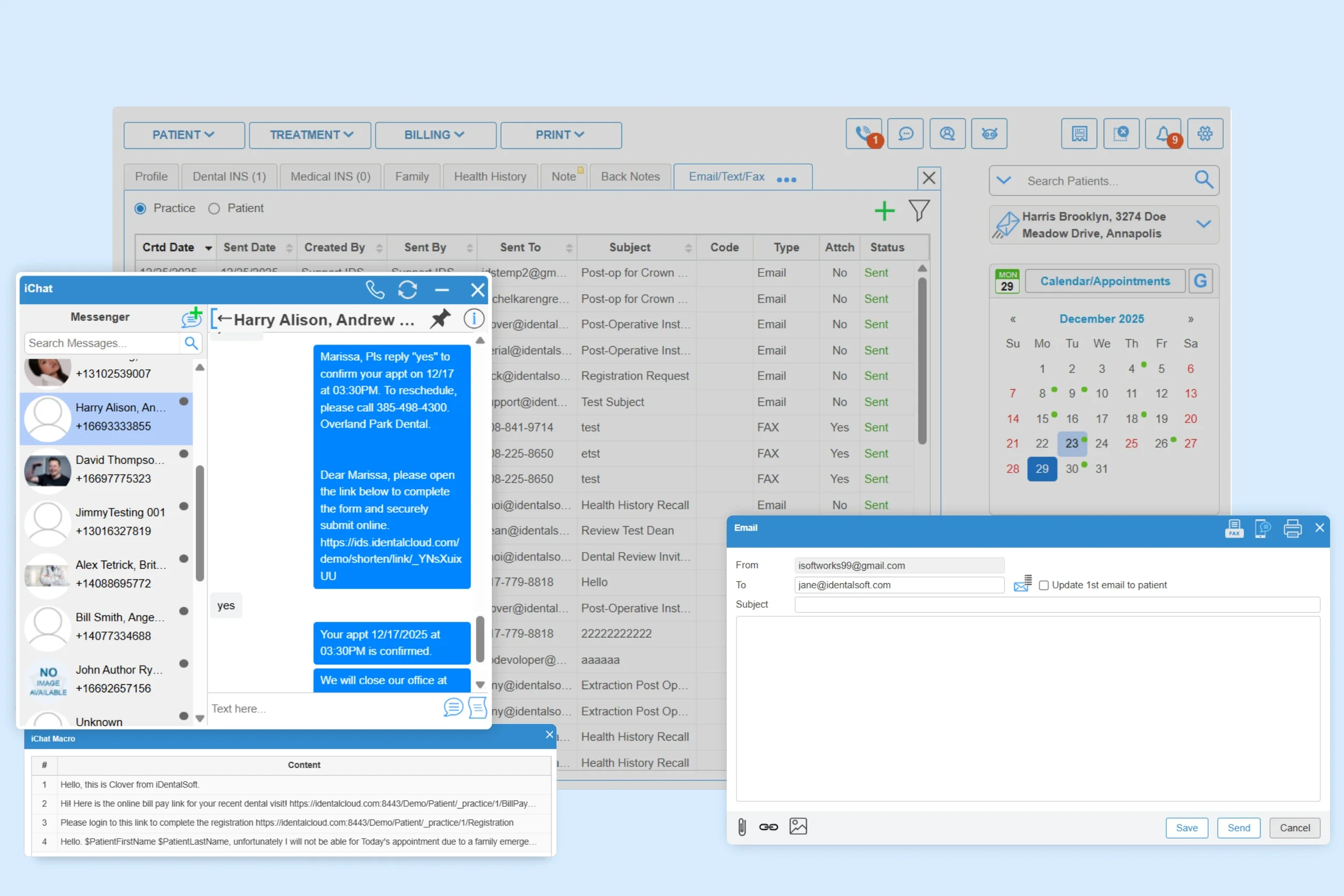
Faster patient interaction with two-way messaging & office phone system
Unified messaging dashboard
Communication hub: Manage all patient text messaging and emails in one interface, so any team member can pick up the conversation with full context and message history.
Text template responses: Send a clean reply in seconds with customizable templates for common inquiries, such as reschedules, insurance documents, or payment links. iDentalSoft templates help keep a consistent office tone with unified greetings or signatures, while still personalizing messages using auto-merge fields for patient and appointment/treatment details.
HIPAA-compliant messaging: Protect patient privacy with encrypted messaging and role-based access.
WhatsApp option: For practices with international patients or multi-country operations, WhatsApp can be enabled as an alternative communication channel to SMS.
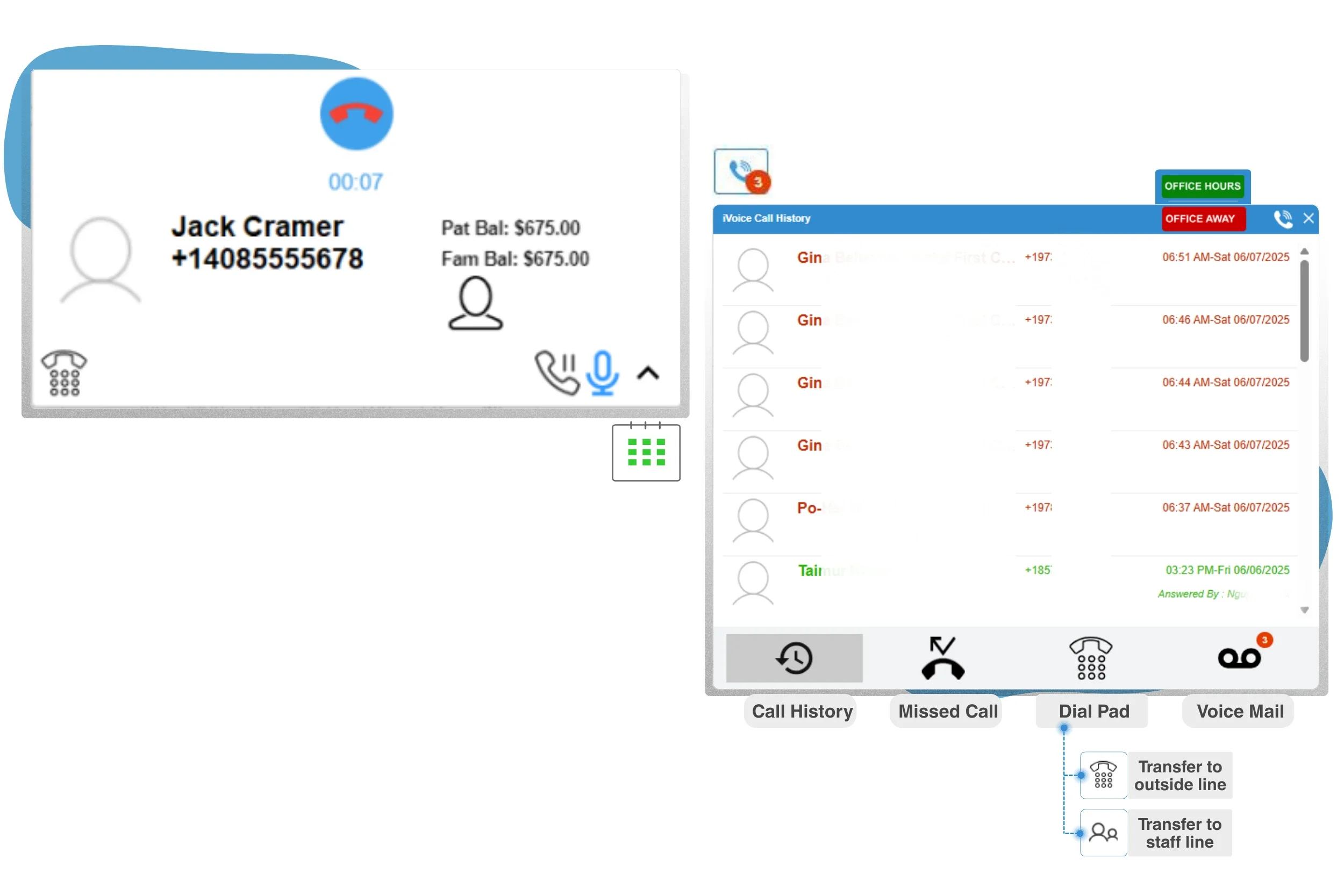
Calling inside the iDentalSoft phone system
Utilize iDentalSoft's built-in iVoice, a dental VoIP solution that handles patient calls with automatic incoming detail pop-ups. Avoid missing callers by setting up office greetings, after-hours voicemail, phone forwarding, etc. Replace traditional landlines and separate phone vendor systems.
The all-inclusive automated patient engagement tools set
Experience a fully automated patient journey without you lifting a finger, powered by our complete cloud-based dental software:

Billing & Payments
Online claims processing, payment plans, and clearing house integration.
Paperless patient portal: automated record sync
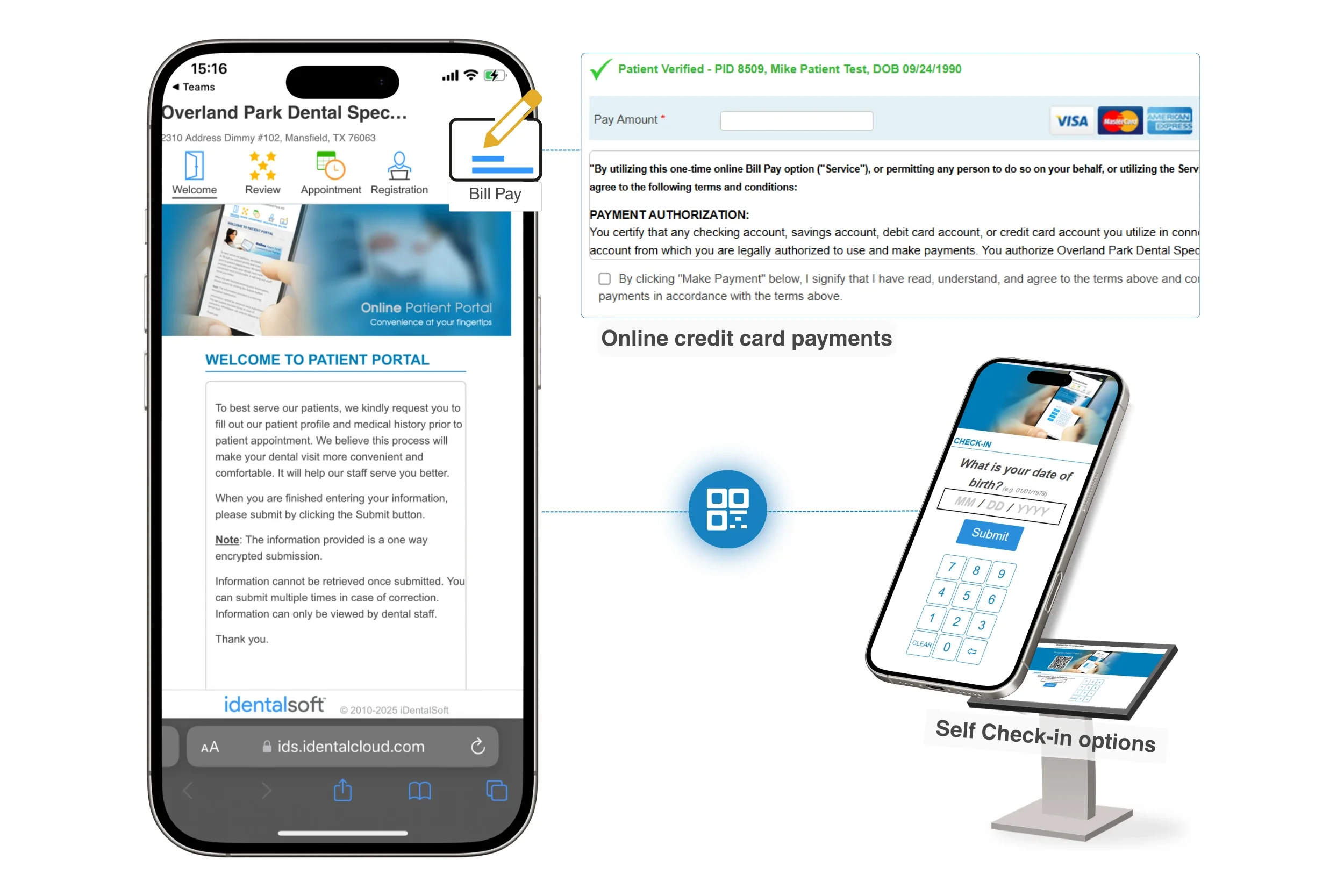
Online payment options
Let patients pay their way with mobile-friendly dental payment processing, stored payment methods, and automatically send invoices via text/email.
Patient self check-in
Provide a tech-forward, self-check-in experience using QR codes on patients' mobile devices, receive text updates when the office is ready, and minimize lobby wait times
Digital intake
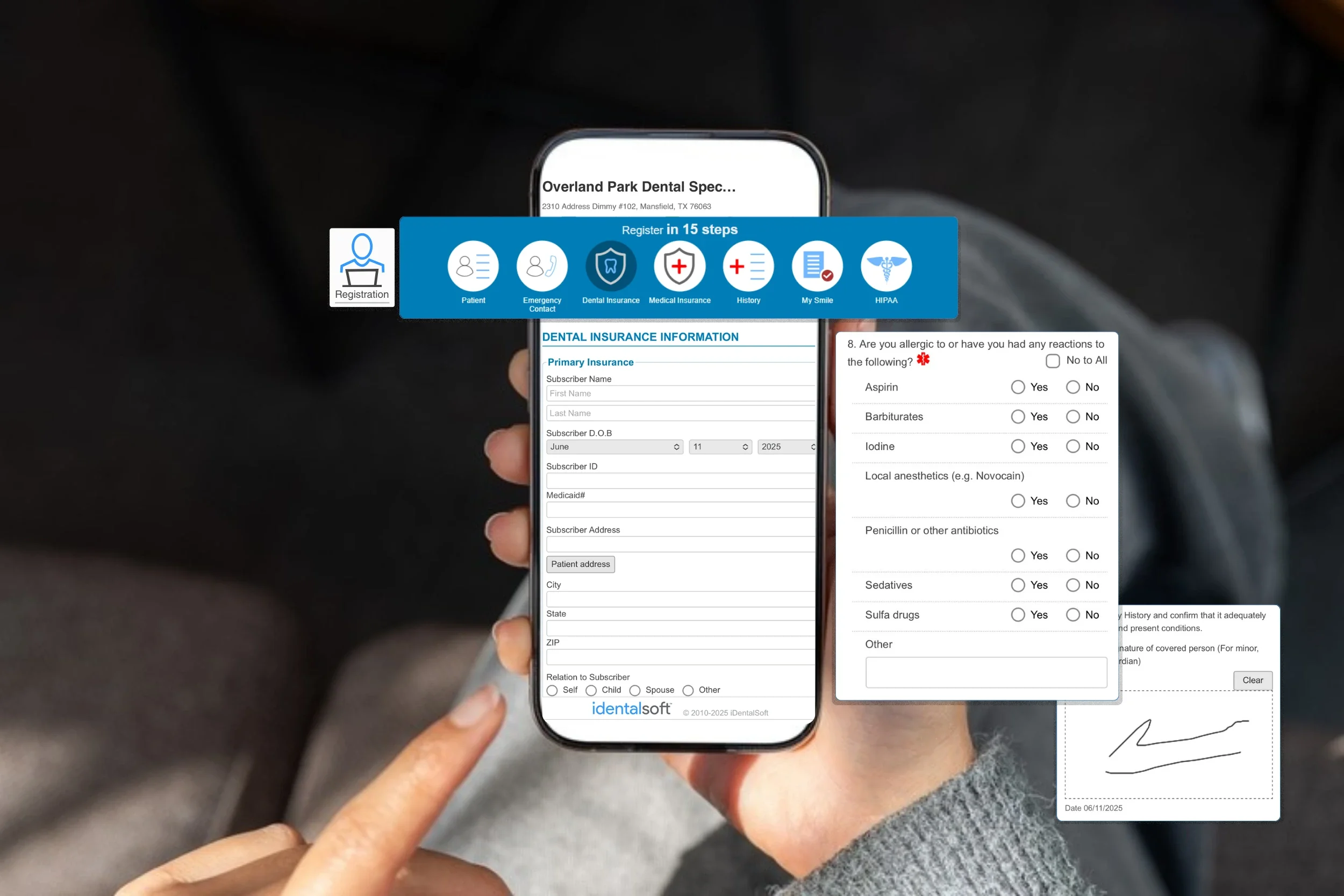
Let patients complete dental forms online (consent, medical history update) before they arrive or on in-office tablets. Reduce paperwork at the front desk and make check-in faster for both staff and patients.
Front-office retention tools
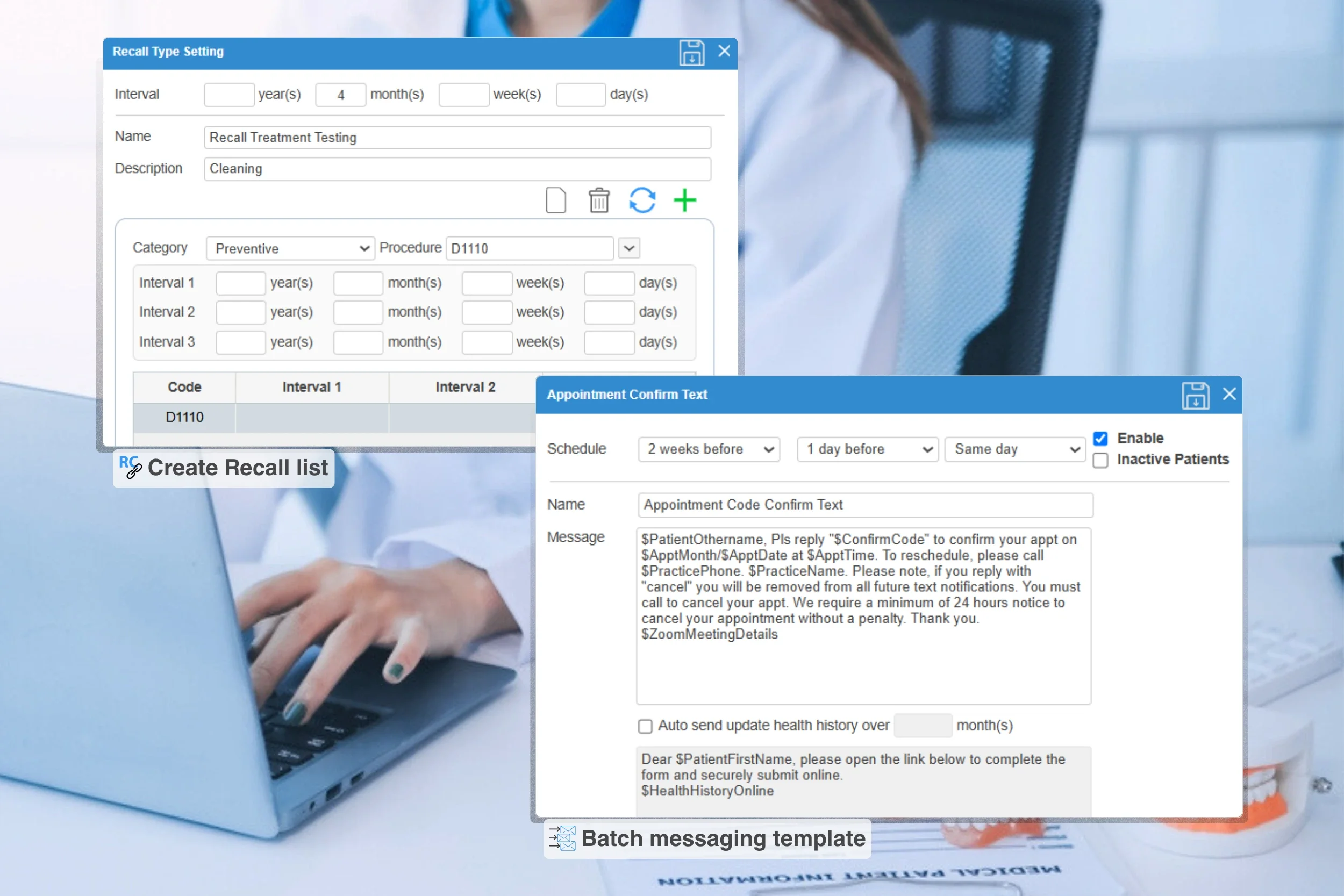
Recall & recare lists generate
Set up automated dental recall easily with a quick patient list generation tool, filtered by status and timeframe, such as:
No-shows or cancelled appointments (by date range).
Overdue hygiene / overdue care based on recare intervals.
Inactive patients who haven’t scheduled in 6+ months.
Custom lists based on your office workflow.
Bulk outreach templates
Boost office production by sending mass outreach to segmented patient lists using pre-built or custom templates. Create seasonal and relationship-based messages, including promotions, recare reminders, birthdays, holidays, and office updates. Insert merge fields to personalize at scale,
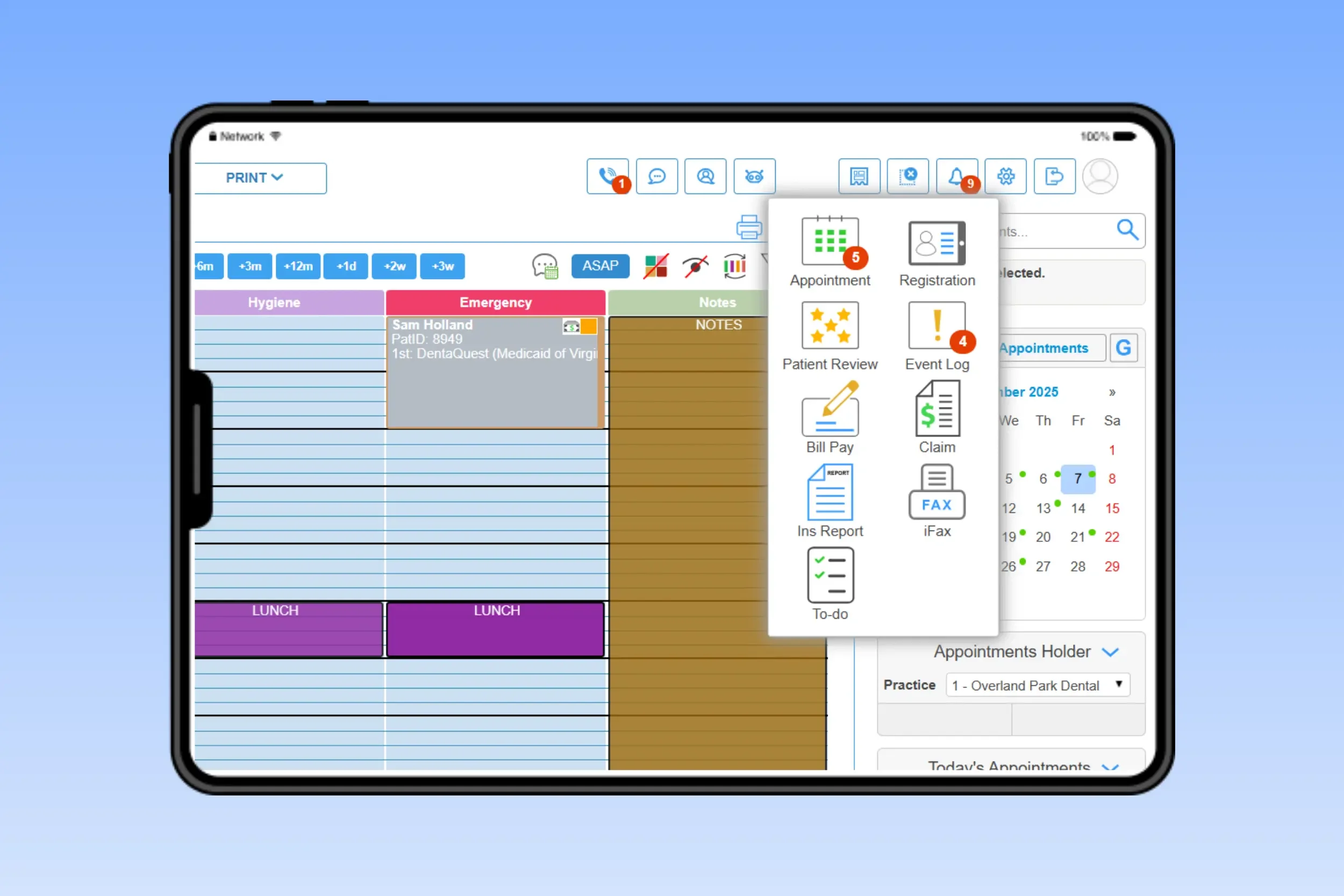
Reception workflow coordination
Receive instant notifications on patient actions (booking, review submission, payment issues, etc.), all within the staff dashboard and on mobile devices.
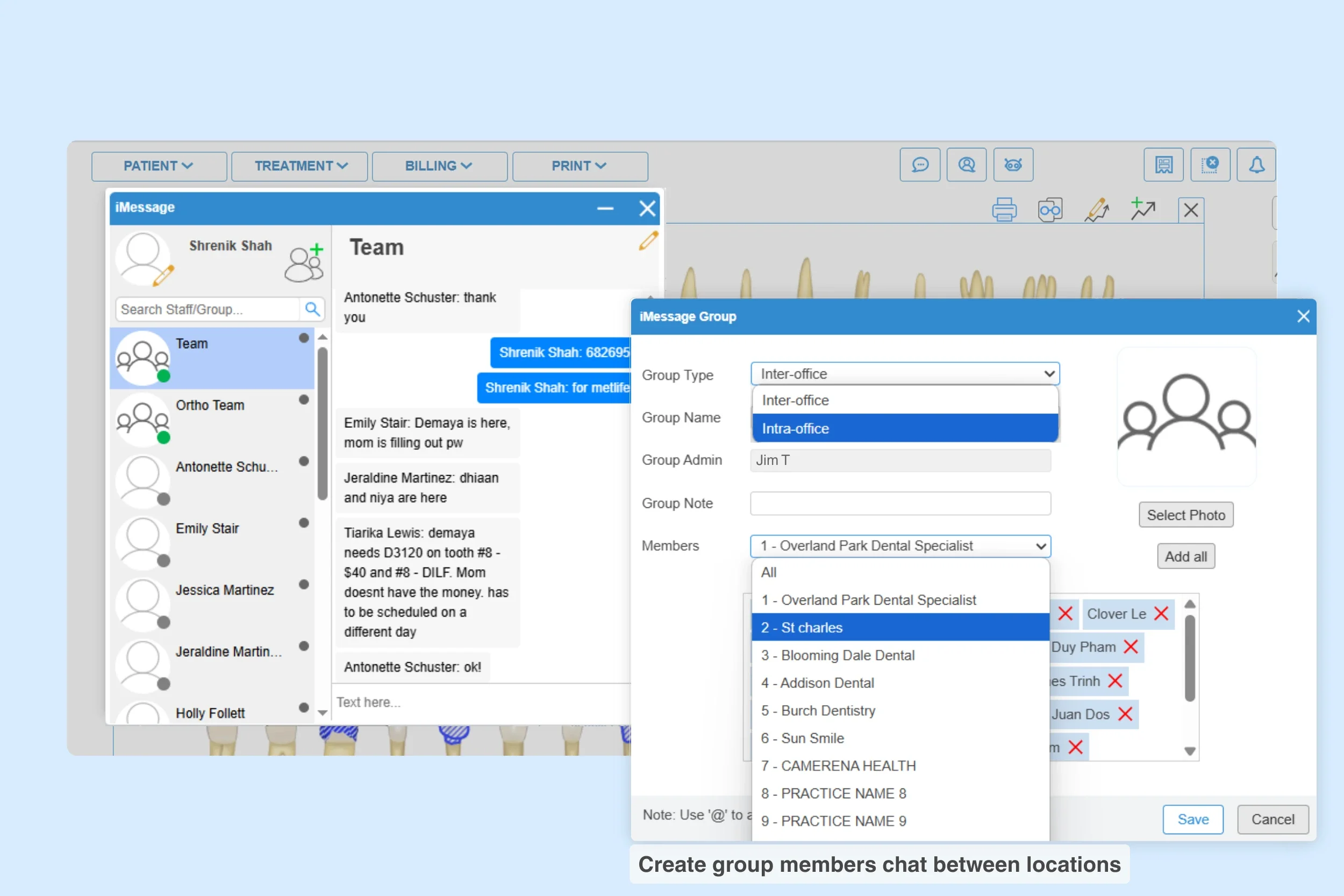
- Keep communication between staff and office groups organized within the platform, enabling quick coordination and task delegation.
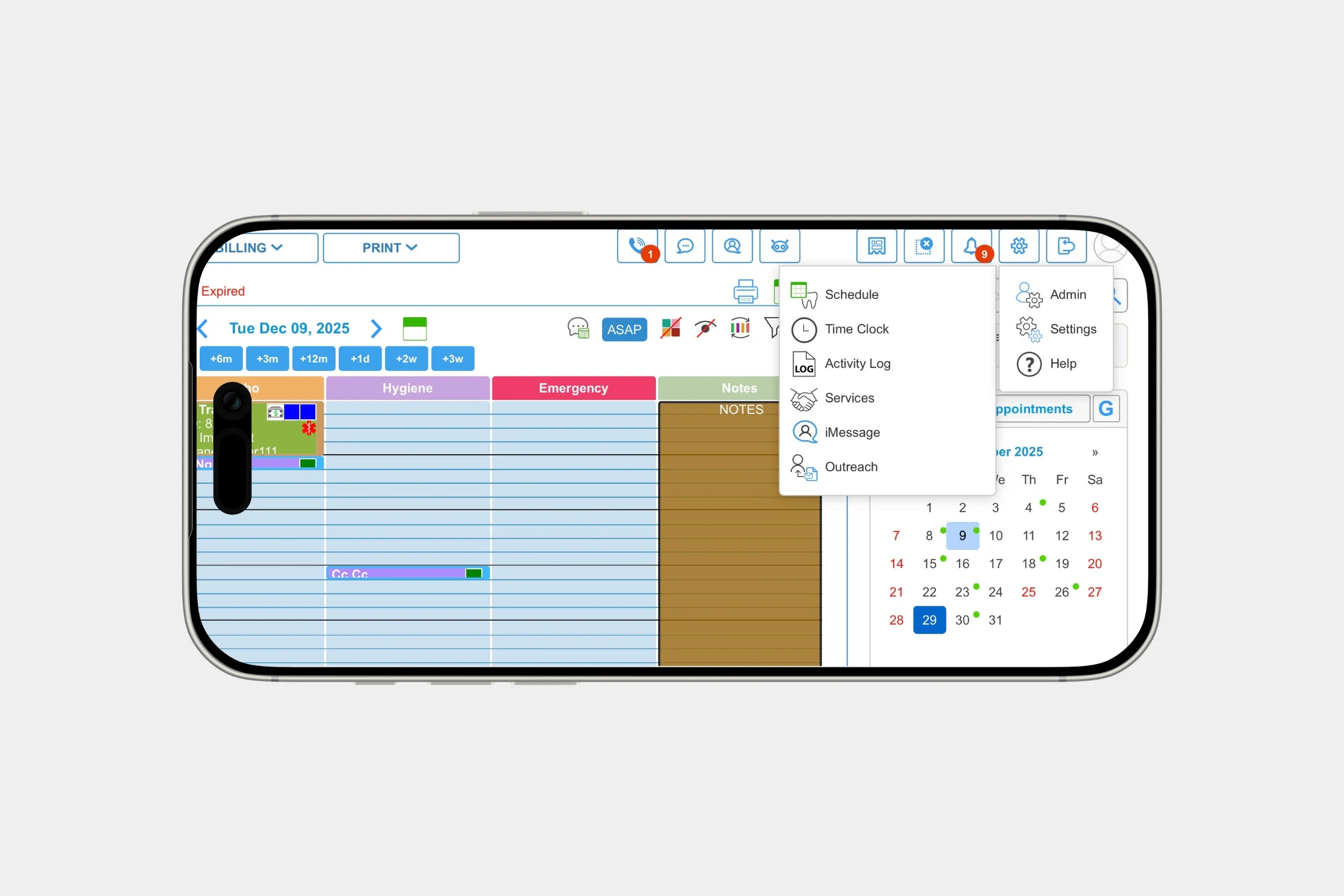
- Manage patient and staff interactions on any device using an intuitive, drag-and-drop interface.
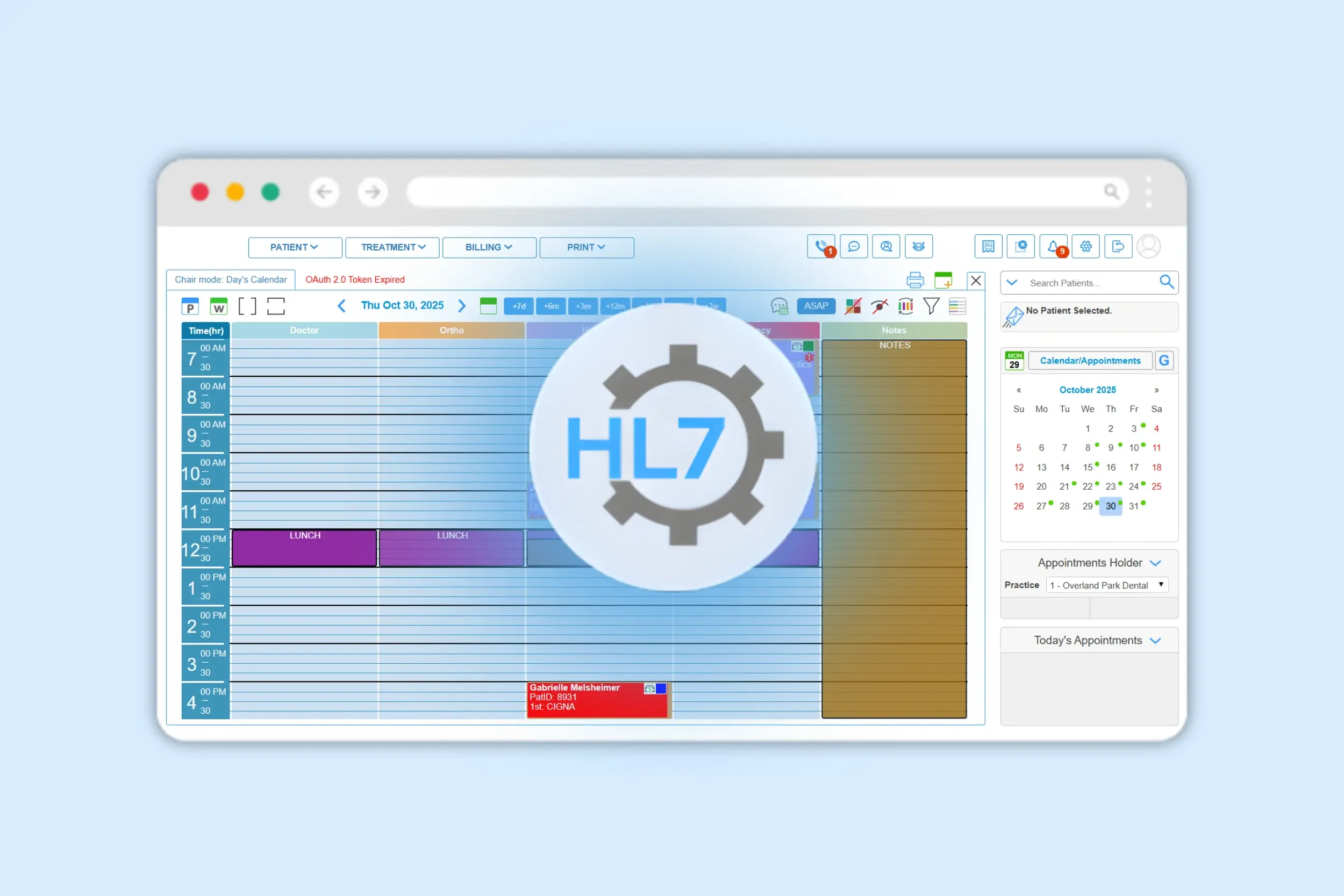
- Enable secure data exchange with healthcare networks using the HL7 protocol to support coordinated patient care.
We helped our clients achieve:
8x Faster
Patient response times
70% Reduction
Staff time spent on communication
90% Improvement
Patient engagement experience
2,300+ dentists trust the iDentalSoft Patient communication platform.
Frequently Asked Questions
-
Yes. The dental patient communication software includes report metrics like appointment outcomes (no-show, cancelled, rescheduled, confirmed), number and percentage of text/email sends with data-range filtering to evaluate performance over time.
-
The cloud dental software supports the full patient communication cycle through automation at each stage:
After booking: Send confirmation messages that reassure patients their appointment is recorded.
Before the appointment date: Send reminder sequences and deliver digital intake links. Capture patient responses (confirm or reschedule).
After the visit: Send follow-ups and review invitations.
Ongoing retention: Run automated recall outreach using configurable timeframes.
-
The dental patient communication software automatically syncs digital forms and patient data across all locations. Staff at any office can access complete records, including medical alerts and insurance details a for consistent care.
-
No, the dental patient communication software is designed for ease of use. The one-click function and mobile-friendly interface allow staff to become proficient right away. To ensure a smooth transition, there will be a 1-on-1 training provided and ongoing support via email.
-
Dental patient communication software ensures consistent brand voice in multi-location practices through these integrated features:
- Centralized templates: Standardized messaging templates for all locations.
- Unified patient data: Shared patient profiles across all branches.
- Role-based permissions: Controlled access to brand communication tools and templates.
- Automated messaging rules: Set rules for automated messages (reminders, follow-ups).
-
Cloud-based dental patient communication systems offer 4 key benefits:
Accessibility: Staff can access patient data and communication tools from any location with an internet connection, facilitating remote work and multi-location management.
Scalability: The system can easily scale to accommodate the growth of the dental practice, without requiring significant hardware investments.
Cost-Effectiveness: Cloud-based systems often reduce upfront hardware costs and ongoing maintenance expenses, with subscription-based pricing models.
Data Security: Cloud providers typically implement robust security measures, including data encryption and regular backups, to protect clinic data and patient information.